
Choosing the right metal and surface finish is essential to achieving both quality and craftsmanship. This article offers a concise guide to common materials, their uses, and practical tips for pairing them with surface effects.
Comparison of Metal Material Properties
| Material | Grade / Specification | Material Characteristics | Suitable Surface Finishes |
|---|---|---|---|
| Stainless Steel (SUS) | 301 / 304 / 430 (magnetic) / 316 (acid & alkali resistant) |
Corrosion-resistant, structurally stable | Raw / Hairline / Polished / Matte / Titanium Plating |
| Brass | 1/2H、H |
Warm color tone; requires coating or plating | Raw / Hairline / Polished / Sandblasted / Plated / Antique |
| Copper | 1/2H、H |
Reddish tone; requires coating; less often plated | Raw / Hairline / Polished / Sandblasted / Plated / Antique |
| Aluminum | Japanese material / 1050 / 5052 / 6061 / 6062 |
Softer hardness; not suitable for openwork etching | Raw / Hairline / Plowed Finish / Anodized / Diamond-Cut / Embossed |
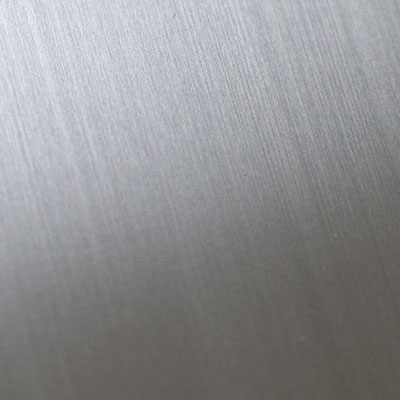
Industrial: filters, spacers, models, jigs, etc.
Craft:nameplates, bookmarks, badges, ornaments, large plaques, measuring tools.
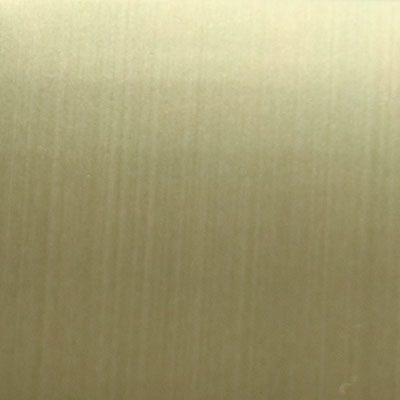
Nameplates, bookmarks, badges, ornaments, commemorative coins, business cards, keychains, etc.
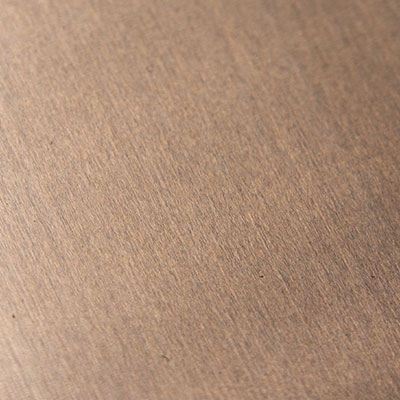
Heat sinks, nameplates, bookmarks, badges, ornaments, commemorative coins, keychains, etc.
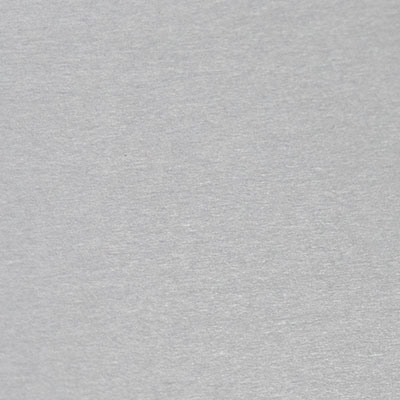
General-purpose nameplates
Overview of Surface Finishes | Designer’s Material Reference
| Material | Description |
|---|---|
| Raw / Natural Finish |
|
| Hairline (Brushed) |
|
| Polished |
|
| Matte / Sandblasted |
|
| Electroplating |
|
| Titanium Plating |
|
| Antique / Patina Finish |
|
Every metal material and surface finish is an essential part of the design language. Choosing the right material and pairing it with a suitable finish not only enhances the product’s quality, but also reflects the brand’s spirit and design intent. MicroMetal offers a diverse material library and extensive processing experience, helping you find the optimal production combination based on your design, application, and budget.
Unsure which material or surface finish best suits your project? Contact us for personalized advice and sample support!